

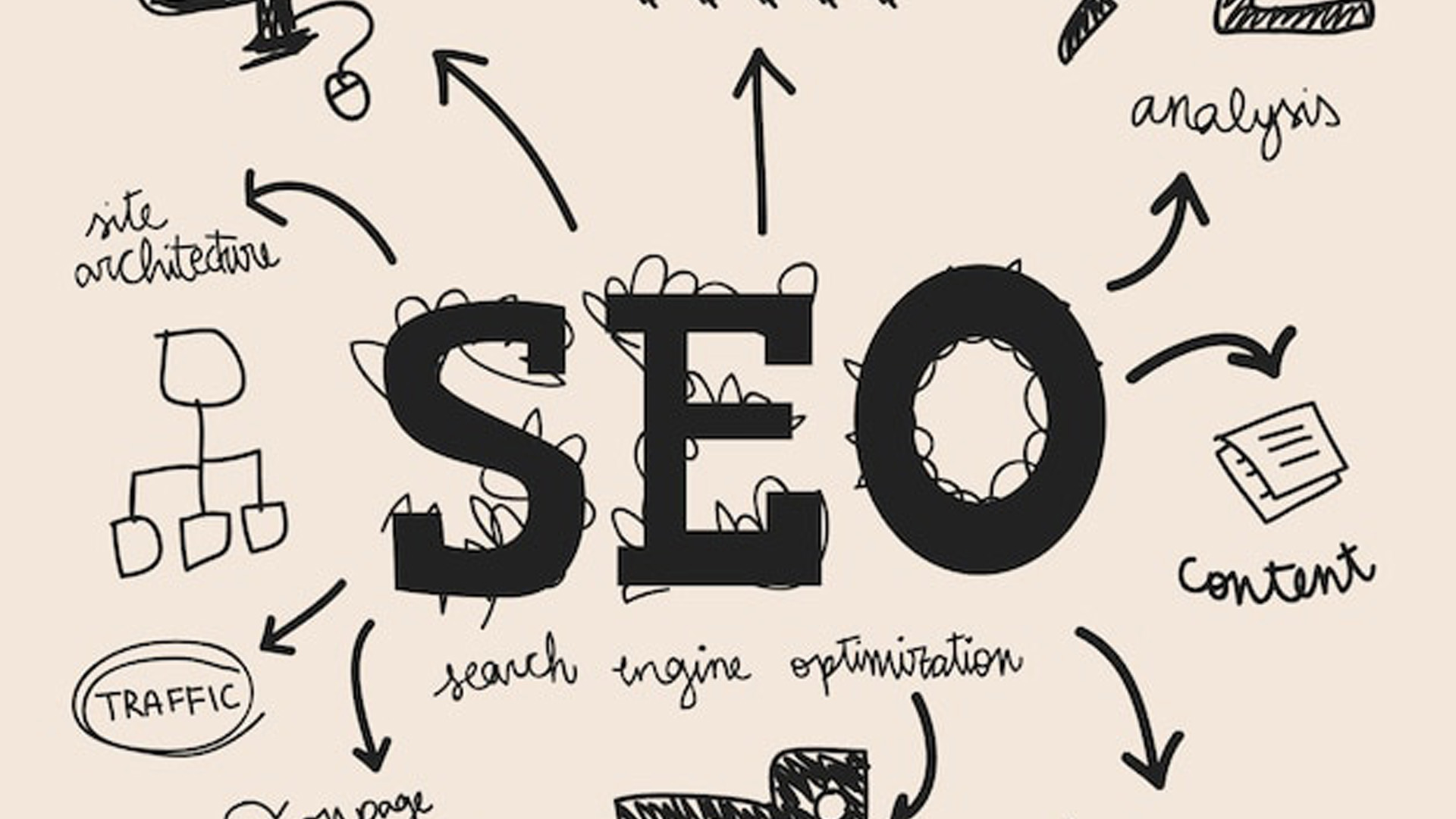
The Evolution of Search: Beyond the Keyword
For a long time, searching felt pretty straightforward. You picked a keyword, built a page around it, tried to rank, and hoped the right people clicked. That still matters. It just no longer explains the whole job.
Search has moved from matching terms to understanding intent. People are asking fuller questions. They expect clearer answers. And more often now, they are getting those answers directly from search features and AI-driven experiences before they ever land on a page.
That is where this shift really starts.
The issue is not that Search Engine Optimization (SEO) stopped mattering. It did not. The issue is that search no longer stops at ranking. A page can rank and still fall short in the next moment. It can show up, but not answer clearly. It can be relevant, but still not be the source that gets surfaced when a search engine or AI system tries to give someone the best answer right away.
That is why the conversation has expanded to include Answer Engine Optimization (AEO) and Generative Engine Optimization (GEO). Not because the industry needed more acronyms, but because visibility now happens in layers. First, your page has to be discoverable. Then it has to be clear enough to answer the question. And now, increasingly, it also has to be strong enough to be surfaced inside AI-generated responses.

Once you see search that way, the real problem becomes easier to spot.
A business can do solid SEO work and still lose visibility if its content is not written in a way that answer engines or generative systems can actually use. The page may rank, but the answer is buried. The topic may be relevant, but the copy takes too long to get to the point. The content may sound polished, but it does not resolve the question clearly enough to be useful when an engine is trying to summarize, cite, or compare sources.
And that is exactly where SEO starts to show its limits on its own.
SEO still matters because crawlability, structure, relevance, and authority still matter. None of that disappeared. But the old SEO-only mindset starts to break down when ranking gets treated like the finish line. It is not. Ranking may get you into the conversation, but it does not guarantee that your content will be the one a person sees, trusts, or remembers in an answer-first search experience.
Get started with a free 20-minute discovery call and learn how to turn your content into real connections:
https://truemarketingverse.baitsglobal.com/about-contact
The Integration of AEO and GEO
That naturally brings in AEO. If SEO is about helping a page get found, AEO is about helping that page answer cleanly once it is found. And the problem here usually is not a lack of information. It is a lack of clarity.
A lot of pages open too broadly. They spend too much time sounding important. They delay the actual point. They are built to cover a topic instead of solving the reader’s problem. In a search environment shaped by direct answers, that becomes a real weakness.
So the fix is not to make content sound stiff. It is to make it easier to use. That means answering earlier, structuring better, and writing with more intent. A page should not just mention a topic. It should make the issue obvious, explain why it matters, and move naturally toward the solution.
But even that is not the full picture anymore, which is where GEO comes in. GEO deals with a different kind of visibility problem. A business may have useful pages and even strong answers, yet still fail to appear when AI tools generate broader responses that blend, summarize, and compare information across multiple sources.
It is no longer just, “Can my page rank?” It is not even only, “Can my page answer?” It is also, “Will my business still be visible when the answer is generated from multiple sources?”
Usually, the bigger issue is inconsistency. One page describes the offer one way. Another uses different terms. A third says very little at all. For a person, that creates doubt. For a generative system that creates weak signals. The content may be relevant, but not stable. Useful, but not clear enough.
SEO helps search engines find and index your content. AEO helps that content become the answer when people ask direct questions. GEO helps that same content stay visible when search becomes more conversational and AI starts assembling the response itself.
Put more simply: SEO gets you discovered, AEO helps you answer, and GEO helps you stay present when the answer is generated rather than simply retrieved.
What matters first is better content architecture and sharper writing. The strongest pages now get to the point faster. They make the reader’s struggle visible early. They explain the solution without detours. They stay consistent with the rest of the site. That is what search now demands.

The Real Questions Around SEO, AEO, and GEO
Is GEO replacing SEO?
No. GEO is not replacing SEO so much as extending what visibility now requires. SEO still matters because search engines still rely on crawlability, relevance, authority, and strong site structure. What has changed is that ranking alone is no longer enough when AI-generated answers are shaping what people see first.
What is the difference between SEO and AEO?
SEO is focused on helping pages rank in traditional search results. AEO is focused on helping content become the direct answer in answer-first experiences, including AI-generated summaries and other search formats built around resolving a question quickly.
What is the difference between SEO and GEO?
SEO is about helping your content get found in search engines. GEO is about helping your brand and content appear in AI-generated responses when systems synthesize information from multiple sources. SEO supports retrieval. GEO supports visibility inside generated answers.
Does SEO still matter with AI search?
Yes. Current reporting still shows SEO fundamentals driving most traffic, even as AI search grows. The difference now is that SEO has become the base layer rather than the whole strategy. Strong technical health, clear site structure, and topical authority still matter.
How do you optimize content for AI-generated answers?
The direction is consistent: create helpful content built for people, make the answer clear early, structure pages so key ideas are easy to extract, keep messaging consistent, and publish material closely tied to your real expertise. The goal is to make your content easier to understand, trust, and use.